A long list is not a single bill
A report with nine findings looks frightening. Most of the time, three of them matter this month, three matter this year and three can sit until the house next gets a roof. Our job in San Juan Capistrano is to tell you which is which, in writing, with a price beside each where we have one. This post shows how we make that call, so the sorting on your estimate makes sense.
Three questions for every item
We put each finding through the same three questions.
Can it hurt someone? Heat reaching wood, exhaust leaking into a room, brick that could fall. Anything that answers yes goes first, no matter the cost.
Will it cost more next year? Water damage grows. A small crack in the crown that lets rain in this winter can mean rotted framing and stained drywall by the next one. Those items go before the rains.
Is it only looks? Stained brick, a worn hearth, a dated surround. These wait as long as you like.
Items that belong at the top
- Cracked or missing flue tiles where a fire is still being lit. The liner is what keeps heat off the house. If you plan to keep using the fireplace, this comes first.
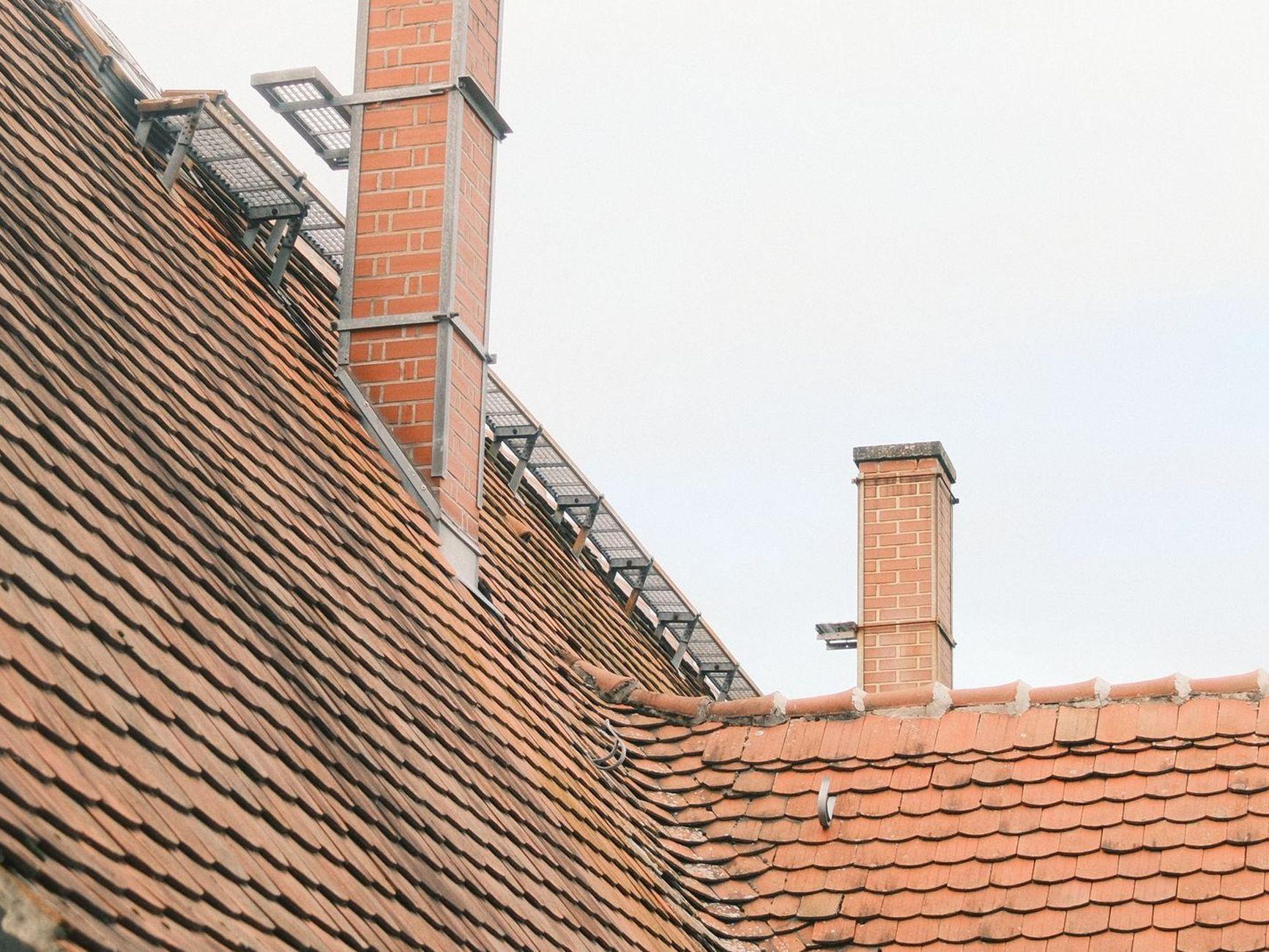
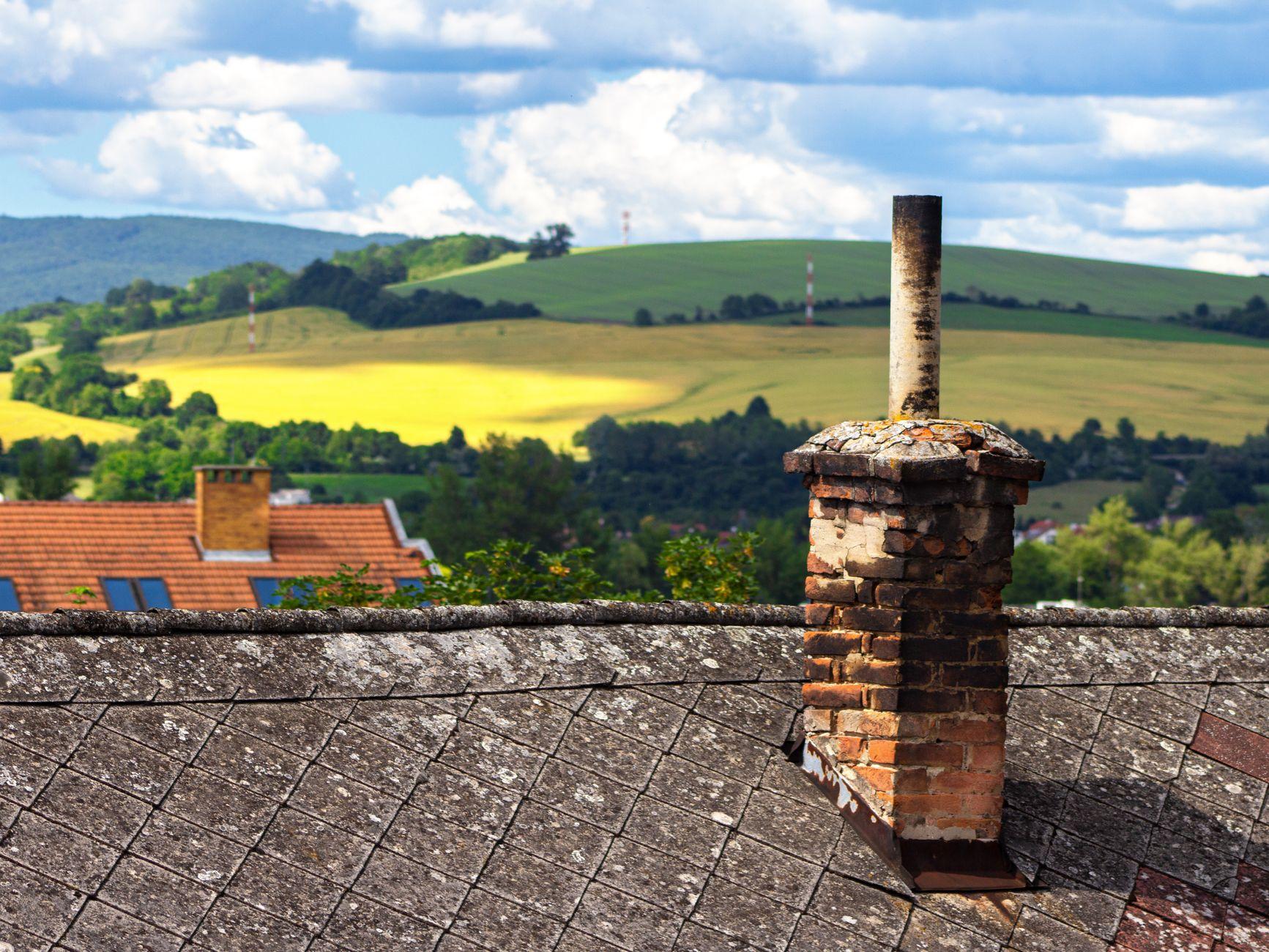
- Loose brick at the top of the stack. A Santa Ana gust or a modest shake can bring it down onto the roof or a walkway.
- A gas appliance venting into a damaged flue. A furnace or water heater sharing an old chimney cannot be switched off for the season the way a fireplace can.
- No spark screen on a wood-burning chimney near brush. Parts of south Orange County back onto open hillsides, and embers on a windy night are a real worry.
Items that can wait a season
- Open mortar joints low on the stack. Plan them, ideally before the next wet winter.
- A crown with fine surface cracks. A sealing coat now, a full replacement later if the cracks grow.
- Flashing that is aging but not yet letting water through. Pair its replacement with your next roof job and save a second setup.
- A sticking damper. Annoying and wasteful of heat, but not a hazard if it still opens fully.
Items that can wait as long as you like
- Soot stains on the face of the fireplace.
- White bloom on exterior brick.
- A chipped hearth tile that sits away from the opening.
- A surround you simply do not like anymore.
The one swap that changes everything
Here is the trade-off owners find most useful. A cracked flue is urgent only if something burns under it. If you stop using a wood fireplace entirely, the liner repair can wait until you decide whether you want a fire again. Close the damper, tell everyone in the house, and the urgency drops.
That does not apply when a gas furnace or water heater vents into the same chimney. Those run whether you think about them or not, so the flue they use has to be sound now.
How the price shapes the plan
Several of the common fixes carry published prices, which makes planning easier:
- A Level 2 camera inspection, to judge the liner and the top: $390
- A new cap with screening: quoted on site, set by the metal, the size and the flue count
- Water coming in, traced and stopped: $560 to $3,350
- A diverter ridge on the uphill side of a wide stack: $445 to $1,010
- The same ridge with all new flashing around the chimney: $670 to $1,650
Masonry, crowns, liners and dampers have no published figure. They appear on your estimate after the visit, with options at more than one level.
If your list already exists and you want it sorted, ask for a staged estimate and tell us which findings worry you most. We will set a visit and return the plan in writing.
What a staged plan looks like on paper
A staged estimate keeps the whole job visible while letting you pay for it in parts. Ours lists:
- Stage one: safety items, each with its price.
- Stage two: water items, with a target season.
- Stage three: cosmetic work, priced so you know the eventual total.
- What changes if you wait: a note on any item likely to grow more expensive with time.
We also note what the house gains at each stage. After stage one, the fireplace is safe to use again. After stage two, the winter storms stop reaching the framing. Stage three is about how the room looks. Seeing it that way makes it easier to stop after any stage without feeling the job is half done.
Staging rarely costs more overall, with one exception. If two items need the same scaffold or roof access, doing them apart means paying for that setup twice. The estimate flags those pairs.
A word about quakes
Strong shaking is part of life in Orange County, and a chimney that has gaps in its mortar takes it worse than a tight one. If an item on your list is about the top of the stack, it is worth moving up a stage. Our seismic retrofit page describes bracing and partial rebuilds in general terms.
Keep reading
Our chimney repair page covers the work itself, and What a Chimney Repair Quote Lists explains every line you will see on the estimate.
Bring your list, ours or another company's, to our contact page and we will help you decide what to fix first.
Ready for Numbers on Your Own Chimney?
An article can only give ranges. Osgood Chimney Company writes the estimate for your house: each repair on its own line, a lean and a full option where both exist, and a mark on whatever can wait. Visits leave from San Juan Capistrano for Dana Point, San Clemente, Costa Mesa and beyond.