The choice behind most masonry calls
Most masonry calls we take in San Juan Capistrano come down to one decision. Can the brick already up there be kept with fresh mortar, or does part of the chimney need to come down? That answer moves the price more than anything else on a masonry estimate, so we take our time with it and show you how we reached it.
How we judge the brick
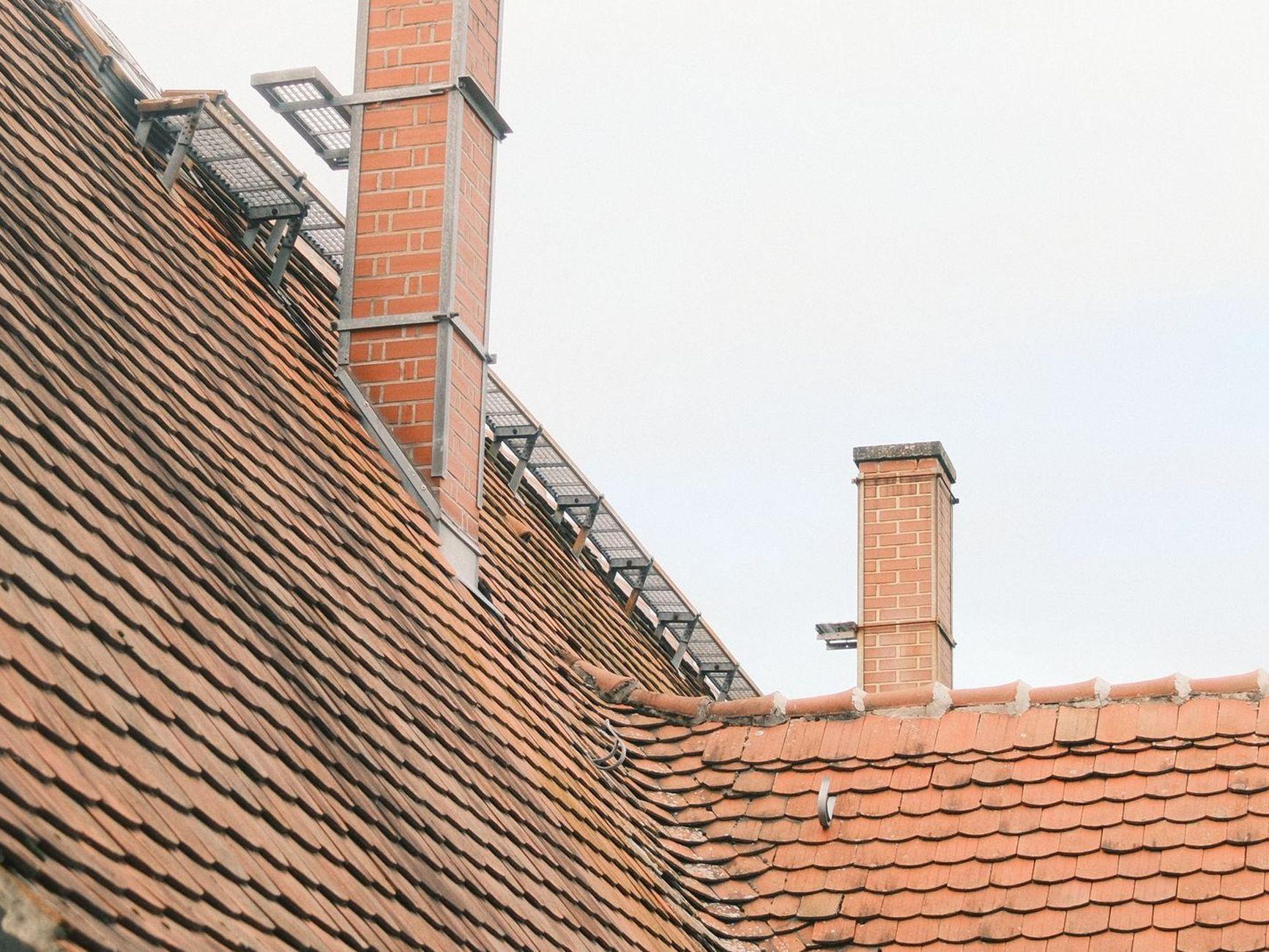
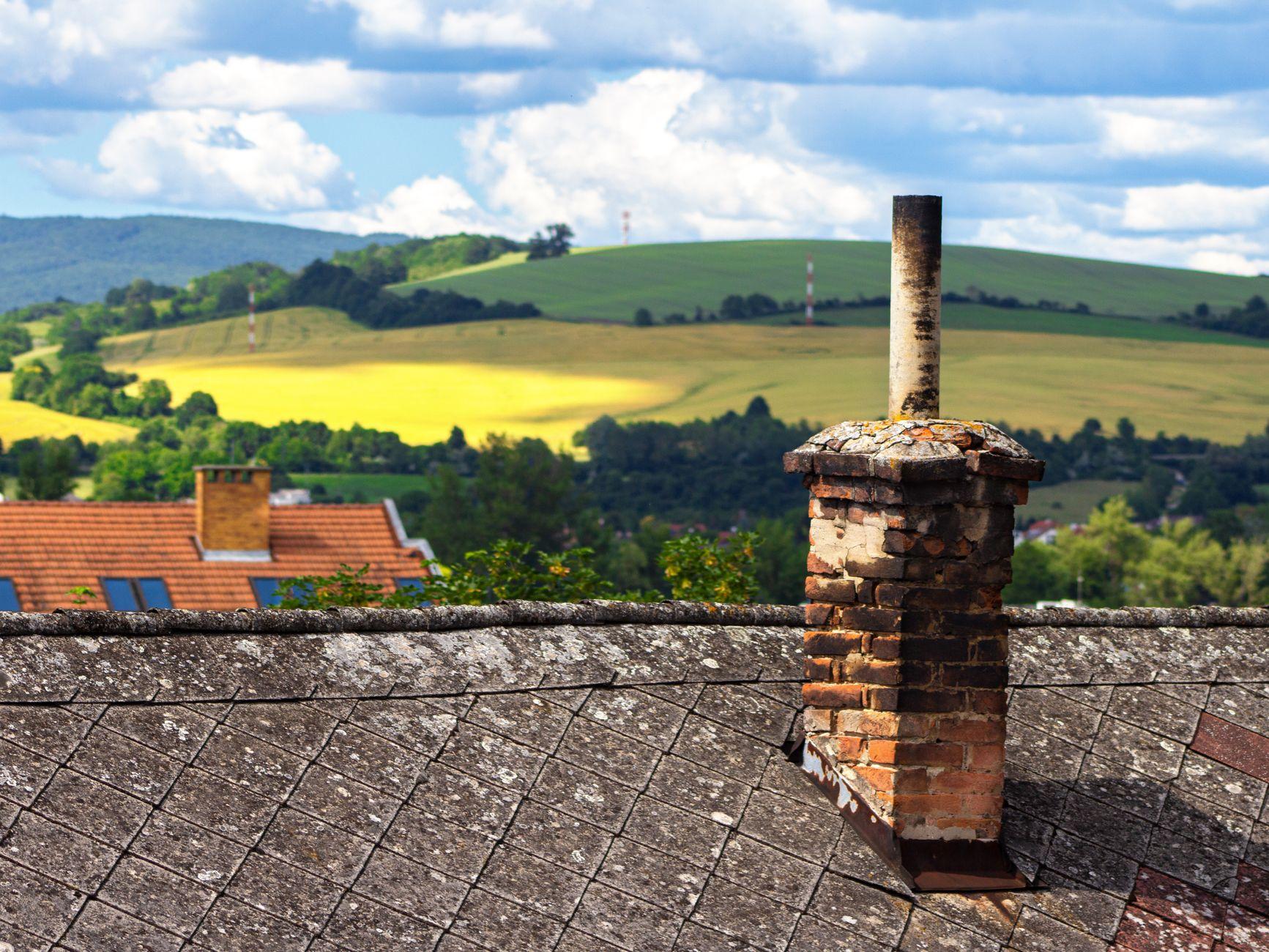
On the roof we scratch at the joints with a pointed tool. Firm mortar resists; worn mortar turns to sand or drops out in crumbs. We tap bricks and listen for a dull, hollow note. We look for faces that have flaked away, which tells us damp has been working into the brick for years. We sight along the corners to see whether the stack is still plumb and whether the courses still line up.
Then we go into the attic and look at the same chimney where weather never touches it. If the brick there is sound and the damage stops at the roofline, the trouble is weather from above. If cracks continue inside, something deeper is going on, and the options change.
Along this part of the coast, from Dana Point to San Clemente, the face that takes the most wind and damp often wears first. It is common to find one side of a stack needing work while the other three are fine, and that alone can halve a repointing price.
Repointing: the brick is still good
Repointing means cutting tired mortar back until we reach firm material, then pressing fresh mortar into the joints in thin layers and tooling the surface to match the old work. It suits a chimney whose bricks are whole and tight and whose problem is the stuff between them.
It is the least disruptive choice. The chimney stays up, the flashing usually stays put, and the roof around it is barely touched.
What sets the price:
- how many faces and how many courses need work
- how high the stack stands above the roof
- how hard the original mortar is to match
On older houses we use a softer mix. Mortar harder than the old brick around it pushes the damage into that brick, so the mortar has to suit the age of the house.
What repointing leaves alone: the crown, the flue, the flashing. It often goes with a crown repair, and we price them on separate lines so you can see each.
Partial rebuild: the top has gone
If bricks above the roof are loose, cracked through or out of line, fresh mortar will not hold them. A partial rebuild takes down the damaged courses, saves the bricks that can be reused and lays the stack again with a new crown on top. How far down we go depends on where the brick turns firm, and the estimate marks where we expect that line to fall and what we will do if it sits lower.
Flashing usually comes out with this work, because it is tied into the brick being removed. New flashing is part of the price.
A rebuild is also the moment to decide what goes back. Some owners ask for a shorter stack. Others want the top restored to match the house exactly. A tall, unbraced stack above the roof is the part most likely to fail in a strong shake, so a rebuild is a natural time to talk about adding steel. Our seismic retrofit page covers that in general terms.
Full rebuild: rare, and we explain why
Taking the whole chimney down, firebox included, is the largest masonry job we price. We recommend it only when the structure below the roof is cracked through, leaning or pulling away from the house. It reaches the inside of the home, usually needs a permit, and often raises a fair question: rebuild in brick at all, or close the old chimney and put in a gas unit with its own vent? Both routes belong on the estimate, each with a figure.
The three side by side
| Option | Brick condition | Roof disturbed | What it leaves |
|---|---|---|---|
| Repointing | Whole and tight | Very little | Crown, flue, flashing |
| Partial rebuild | Loose or broken near the top | Around the chimney | Lower stack |
| Full rebuild | Failing below the roof | Around and through | Little |
Why there is no single masonry price
We do not publish a figure for masonry. The number of courses, the height, the mortar and the access swing too widely between houses for one range to mean anything. What we do instead is price each option on one page after the visit, so you see the gap between repointing and rebuilding in dollars before you choose.
Some related work does have a published price. If the flue also needs a look, a Level 2 camera inspection is $390. A new cap on a rebuilt crown is quoted after we measure, and the price depends on the metal and how many flues sit under it.
To get those options priced for your house, book a masonry visit and tell us what caught your eye: a gap in the joints, a brick in the flower bed, a lean you notice from the driveway.
What can wait and what cannot
- Stained brick or a white bloom on the face. Cosmetic. It can wait, though it hints that water is moving through the brick.
- A handful of soft joints low on the stack. Plan it for next season and pair it with other roof work if you can.
- Open joints near the top, or a crown that has split. Get it done before the winter rains.
- Loose bricks, or a top that has shifted. Not a waiting item. Keep people clear of the area below and book a visit.
Further reading
Our masonry repair and chimney rebuilds pages describe the work in more detail, and What a Chimney Repair Quote Lists shows how the options appear on paper.
Whichever way your brick leans, the first move is a visit, and our contact page is where you ask for one.
Ready for Numbers on Your Own Chimney?
An article can only give ranges. Osgood Chimney Company writes the estimate for your house: each repair on its own line, a lean and a full option where both exist, and a mark on whatever can wait. Visits leave from San Juan Capistrano for Dana Point, San Clemente, Costa Mesa and beyond.