Where the water usually comes from
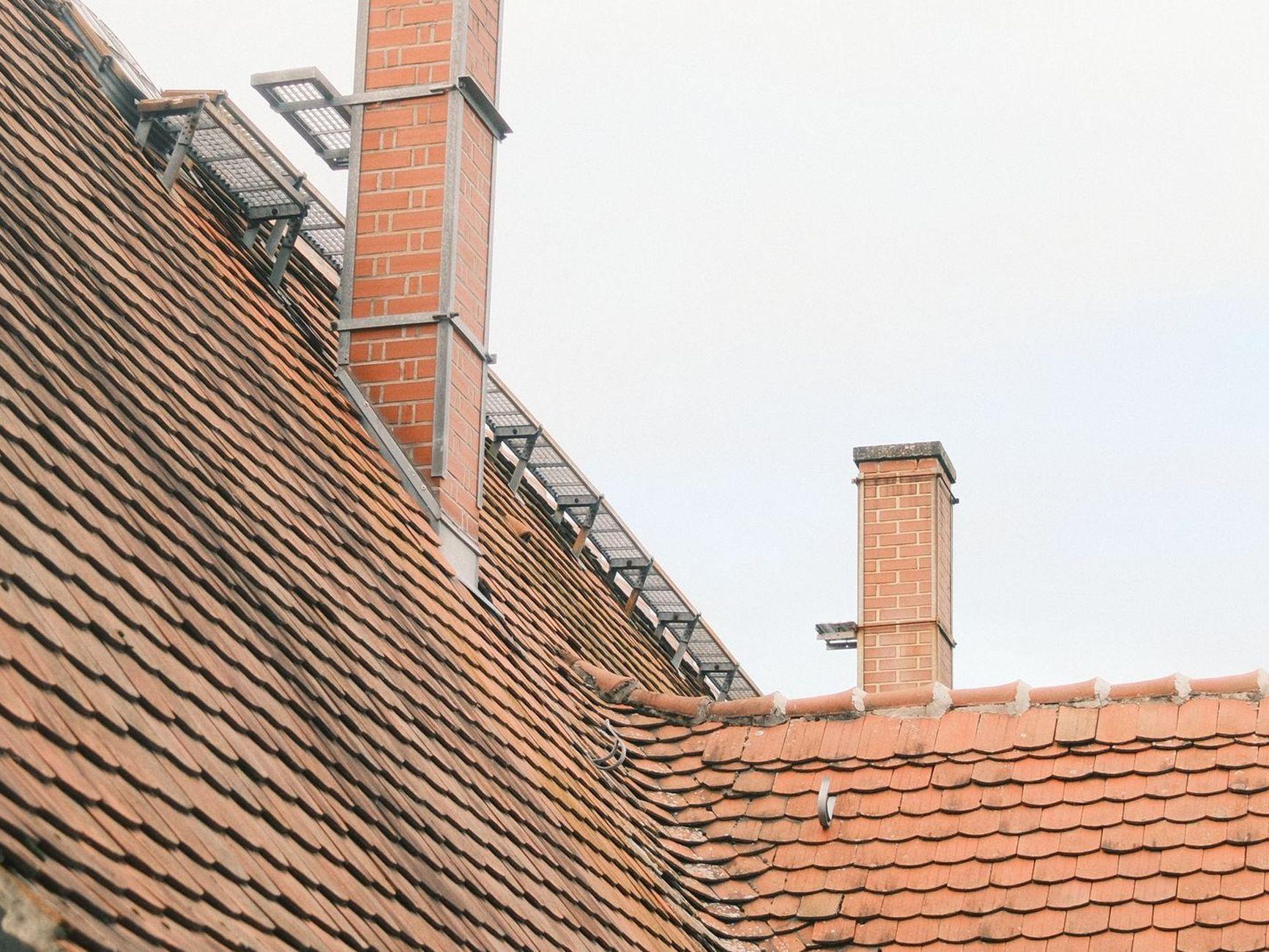
Most chimney leaks we trace in San Juan Capistrano start at the top of the stack or at the seam where it meets the roof. The water then travels, sometimes a long way, before it shows up as a stain inside. That is why a leak is the hardest chimney job to price from a description alone, and why several of the fixes below have a range rather than a single figure.
This guide lists what we charge where a price is published, explains what sets the figure where it is not, and suggests an order for the work.
Published prices
| Work | Installed price |
|---|---|
| A ridge on the uphill side of the stack to split runoff | $445 to $1,010 |
| That ridge with every flashing piece around the chimney renewed | $670 to $1,650 |
| Leak traced to its source and stopped | $560 to $3,350 |
| Level 2 camera inspection, roof and attic included | $390 |
A cap with screening, sized to one flue or covering several, is quoted after we measure.
The cap
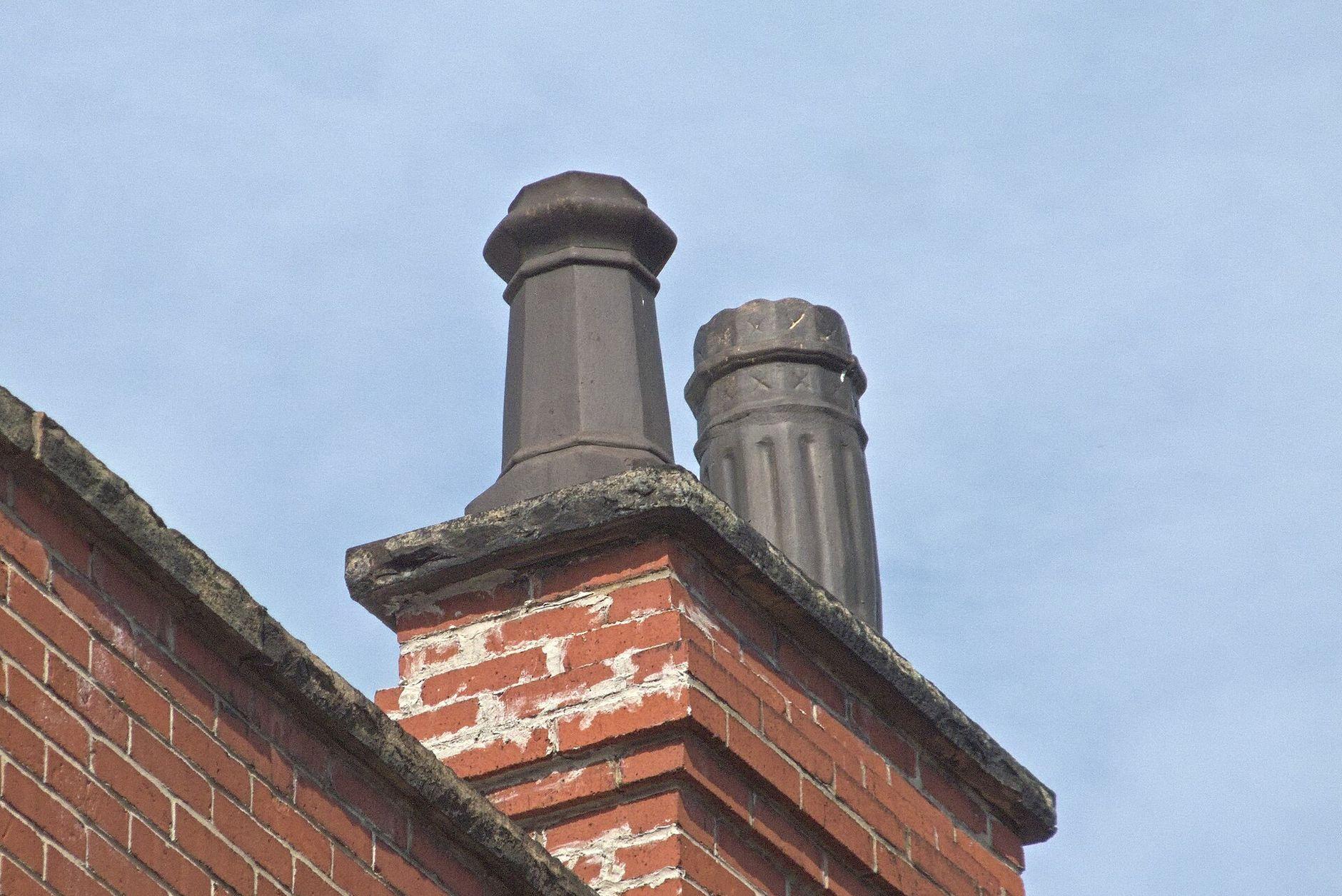
A cap is the most direct way to keep rain out of the flue itself. What it covers sets its price, from a small stainless hood over a single flue to a large custom cover spanning several. Near the coast, metal choice matters more than it does inland: marine air eats through cheap steel quickly, so we usually suggest stainless or copper for homes from Dana Point down to San Clemente.
If a cap is missing or rusted through, it is often the first fix we suggest. It is a short job, and it shuts one way in for water completely.
Leak work
Leak repair has the widest range of anything on the list, $560 to $3,350, because the cause varies so much. A single lifted flashing seam is a short job. Water coming in through porous brick, an open crown and old flashing all at once is a much longer one. Our estimate says which sources we found, how we confirmed each and what we will do about each.
We do not guess. If we cannot confirm a source from the roof and attic, we say so and suggest a controlled water test before any money goes into repairs.
Timing changes the picture too. A stain that appears only during wind-driven storms points somewhere different from one that shows up after any rain at all. A stain that grows days after the weather clears suggests water soaking slowly through brick rather than pouring past a seam. We ask about all of this before the visit, because it tells us where to look first and keeps the tracing part of the bill short.
The diverter ridge
A wide chimney sitting across the slope of a roof catches runoff and leaves on its high side. A small framed ridge, flashed and roofed to match, splits that flow around both sides. On its own, the ridge runs $445 to $1,010. When the old flashing is tired as well, we usually price the two together, $670 to $1,650, since the flashing has to be opened up to fit the ridge anyway.
The crown
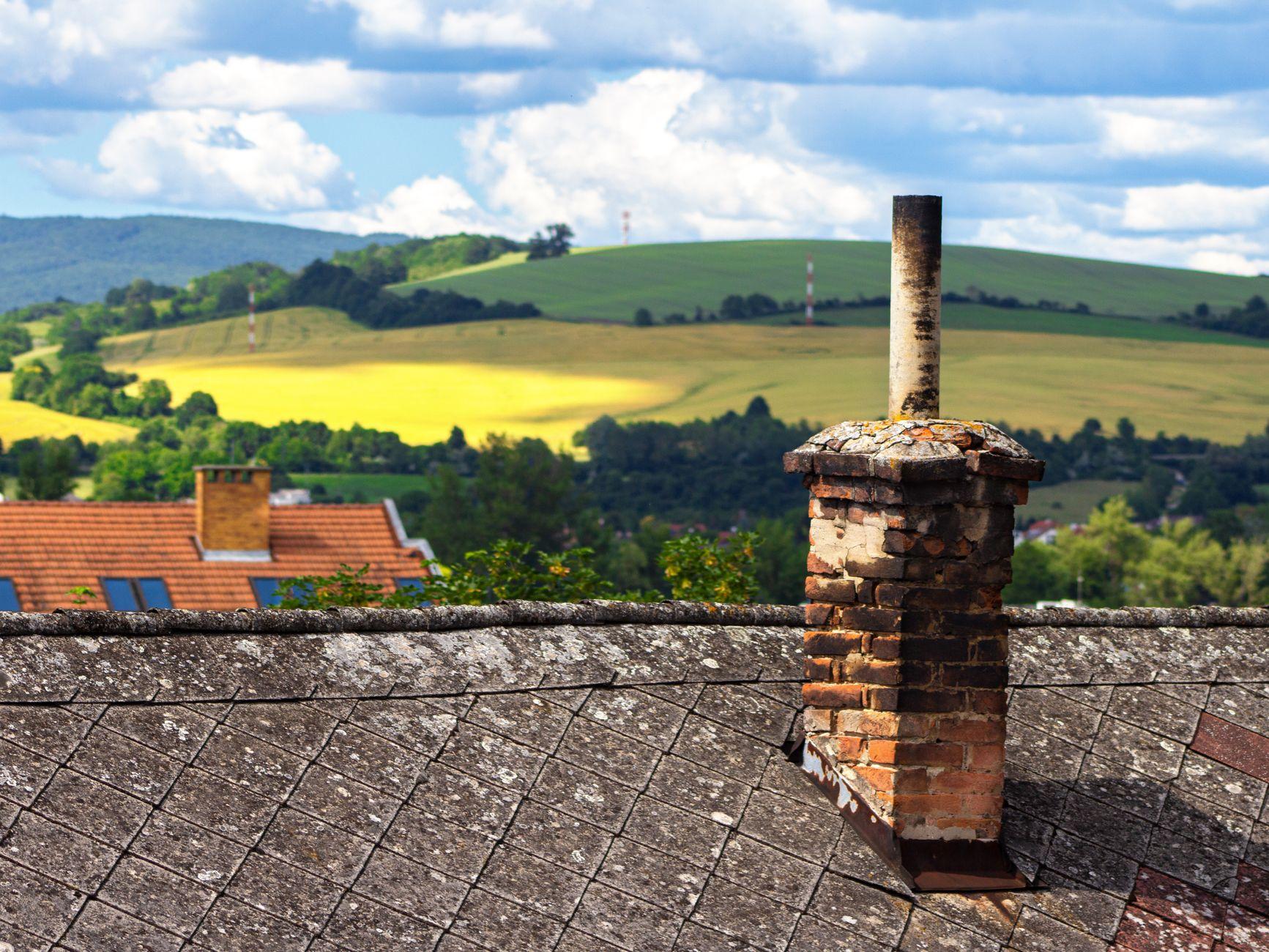
Think of the crown as the poured lid capping the stack, a mortar or concrete layer that wraps the flue tile. Ours carries no single published price, because crowns differ so much: some just need their cracks sealed, others have to be broken off and poured again with an overhang. The size of the slab, the number of flues through it and the access all move the figure.
On the estimate, you will usually see two crown options: a sealing repair for fine cracks and a full replacement for a crown that has broken through. We say which one we would choose and why.
Coatings and chase covers
A water repellent for brick is the last step, not the first. It only works on masonry whose joints, crown and flashing are already sound. We price it after the visit, and we will tell you if it is not worth buying yet.
Chimneys clad in stucco or siding over a wood frame have a metal top instead of a crown. When that top rusts or sags, water runs straight into the framing. Replacement covers are made to measure and priced after we see the chimney.
What sets the figure in each case
- Height and pitch. A steep, two-story roof needs more setup.
- Roofing material. Clay or concrete tile, common across south Orange County, must be lifted and reset around the chimney, which adds time compared with shingles.
- Number of sources. One cause is quicker to fix than three.
- Size. Wide stacks and multi-flue chimneys need larger caps, crowns and ridges.
When you want these priced for your house, request a leak estimate and describe where the water appears inside and when it started. We plan the visit around that.
A sensible order for the work
Cheapest and most certain first:
- Cap, if missing or rusted.
- Crown, if cracked.
- Flashing or the ridge, if the seams are lifting.
- Masonry repointing, if the joints are open.
- Water repellent, last, once everything else is tight.
Many leaks stop after the first two or three. You decide whether to keep going once you see the result through a wet season.
More on each repair
Each of these has its own page: leak repair, crown repair, cap installation, waterproofing and chase covers. For the bigger picture on staging, see Chimney Repairs That Can Wait.
When the next storm sends water down the wall again, the visit begins at our contact page.
Ready for Numbers on Your Own Chimney?
An article can only give ranges. Osgood Chimney Company writes the estimate for your house: each repair on its own line, a lean and a full option where both exist, and a mark on whatever can wait. Visits leave from San Juan Capistrano for Dana Point, San Clemente, Costa Mesa and beyond.